Conflict. Conflicto. Conflit. Konflikt. Conflito. Conflitto. There doesn’t seem to be much difference in the ways various tongues express the concept of conflict.
What is distinct is the way each and every one of us reacts in a situation of conflict, and tries to manage it. There is no right or wrong approach, just different ones depending on the situation.
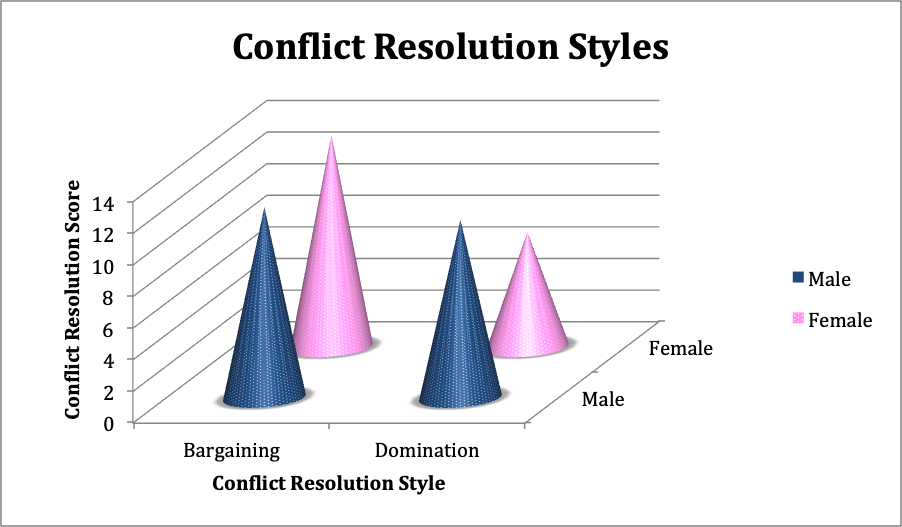
We’ve assessed the conflict resolution styles of a group of contact centre agents, and some gender preferences came to the surface. While most styles don’t display any remarkable variation between male and female agents, it appears that women score higher on bargaining, and men score higher on domination.
As Desmond Tutu – the famous Peace Nobel Prize Winner – says, next time you’re facing conflict, “Don’t raise your voice, improve your argument” – in whatever language that may be.
T2 workshops give delegates tools and strategies to comprehend the process of conflict, deal with it, and minimise it in the future.
No Man Is an Island: Relationship Management in Contact Centres
Emotional Intelligence (EI), or the ability to understand and manage our emotions, is becoming increasingly prominent in today’s society.
In Emotional Intelligence 2.0 (2009), Travis Bradberry and Jean Greaves identify the four EI skills in self-awareness, self-management, social awareness and relationship management.
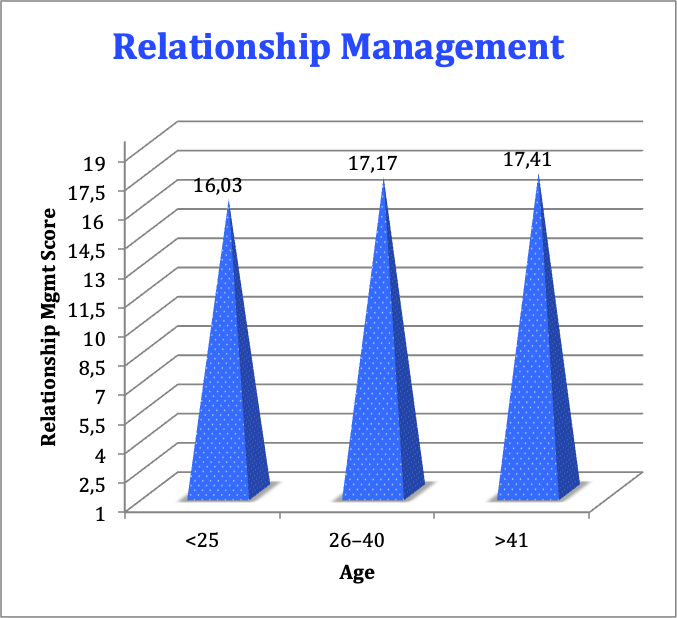
Our research into EI levels in the Contact Centre Industry suggests that agents younger than 25 years old tend to score lower on relationship management than the 26–40 and over 41 age groups.
This is to be expected, if we keep in mind that relationship management – like any other EI skill – can be practiced and developed with time.
What is more notable is that, by virtue of its very nature (which involves dealing and communicating with people of all ages and backgrounds) the customer service sector may be a valuable platform to improve relationship management skills. And this is why those who have worked in a customer-facing position for longer achieve higher scores.
T2 programmes will equip you with all necessary techniques to enhance your communication and collaboration skills, with the added value of a customer-service focus.
Feeling Stressed or Under Pressure?
Stress and pressure. These apparent enemies of ours can be found everywhere, whether we want it or not: from song titles and edge-of-your-seat movies, to our personal and professional lives.
But although some people might use them interchangeably, they are quite different.
Feeling stressed equals feeling overwhelmed and unable to cope with the many demands placed on us; feeling under pressure refers to the more circumscribed situation in which not only we feel stressed, but our performance/results have vital consequences (Weisinger and Pawliw-Fry 2015).
Today, we’re going to share some brand new research we conducted on stress in the customer service sector.
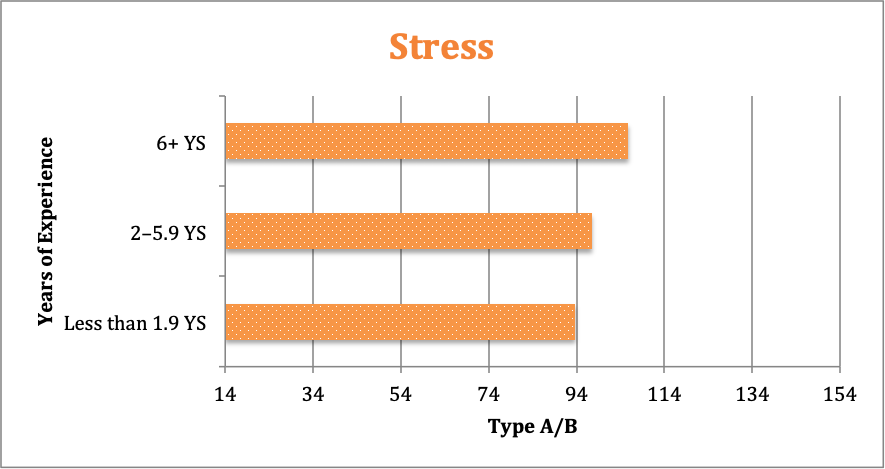
The data we’ve collected from a cross section of Contact Centre Agents, whose work experience ranges from less than 2 to more than 6 years, displays a correlation between more work experience and higher stress levels.
CSRs that have been working for longer are, on average, more significantly Type A Personality. That is, they’re more prone to stress, and therefore more rigid and less adaptable to the changes that their work environment constantly demands.
So given this prelude, what are the trends going to be like for the most experienced staff: are we set for a horror-story finale, or are there any surprises in store?
Stay tuned for more T2 research!
T2 programmes enable delegates to harness strategies to reduce stress and anxiety, and learn positivity and confidence techniques.
Hot Topics in Training
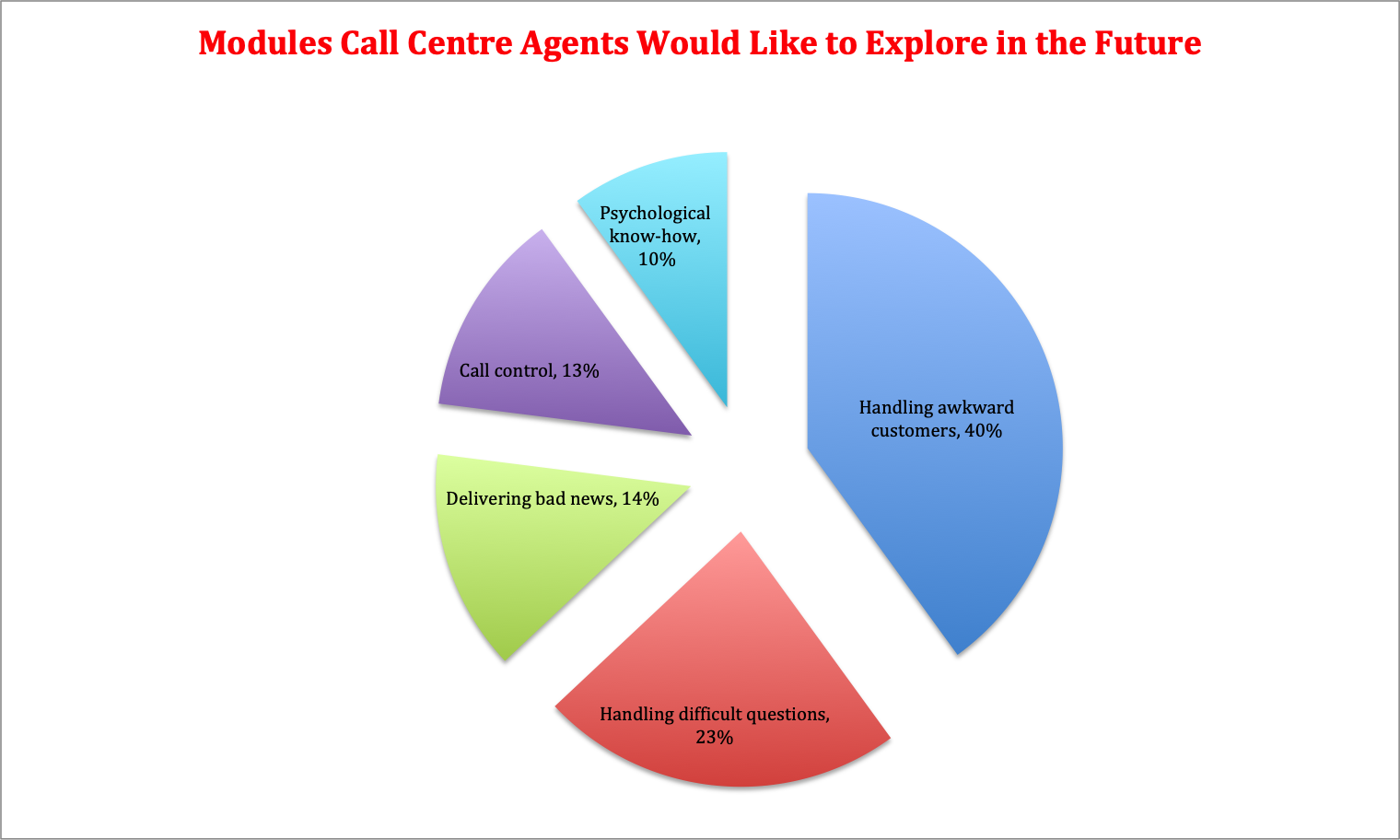
Our latest survey of 1,200 Call Centre Agents revealed a huge need for training in two key topics: handling awkward customers (40%) and dealing with difficult questions (23%).
This is either a reflection on today’s more sophisticated, demanding customers. Or on Call Centre Agents, who realise they need greater emotional intelligence and inter-personal skills to cope with modern, savvy consumers.
Or both.